Bytes to Insights: Weekly News Digest for the Week of March 22nd, 2026

The week of March 22nd, 2026, reflected an artificial intelligence landscape rapidly shifting from experimentation to full-scale deployment across industries. Major technology companies continued pouring enormous capital into AI infrastructure, with investment levels reaching historic highs and signaling that the competition is now centered on compute power, data access, and real-world integration rather than just model performance. This surge in spending is enabling AI systems to move beyond research labs and into everyday applications, from enterprise workflows to consumer-facing tools.
A notable theme this week was the growing transition toward more autonomous, agent-like AI systems. New tools and platforms are increasingly capable of handling multi-step tasks with minimal human input, marking a shift away from simple prompt-response systems toward systems that can execute workflows and make decisions. This evolution is beginning to reshape software development, business operations, and even compensation structures in technical fields, as AI becomes a more active participant in production environments.
In parallel, large tech firms continued integrating AI deeply into their ecosystems. Updates to major platforms emphasized contextual awareness and personalization, allowing AI assistants to better understand user intent and operate proactively across devices and applications. At the same time, companies explored new monetization strategies tied to AI interfaces, including the potential introduction of advertising within conversational AI systems, which could redefine digital business models as traditional search behavior evolves.
Extending these developments further into the enterprise and infrastructure side, competition intensified around developer tools and coding automation. Strategic moves such as acquisitions aimed at strengthening AI-assisted programming highlighted how critical software development has become as a battleground for AI dominance. These developments suggest that future productivity gains will increasingly come from AI systems that can write, optimize, and maintain code alongside human engineers.
Amid this industry activity, the week also underscored growing geopolitical and regulatory attention on artificial intelligence. Governments advanced proposals for unified national frameworks to manage AI risks, including concerns about energy consumption, data usage, and societal impact. At the same time, issues such as the movement of advanced AI chips and access to sensitive data continued to highlight the strategic importance of AI at a national security level.
Complementing these policy developments, real-world applications of AI continued expanding into areas that would have seemed speculative only a short time ago. Reports highlighted emerging use cases such as personalized medical treatments, autonomous financial transactions, and increasingly capable AI-driven systems in healthcare and imaging. Together, these developments reinforced a broader narrative that AI is no longer a future technology but an active force reshaping industries, economies, and daily life in real time.
Support BearNetAI
BearNetAI exists to make AI understandable and accessible. Aside from occasional book sales, I receive no other income from this work. I’ve chosen to keep BearNetAI ad-free so we can stay independent and focused on providing thoughtful, unbiased content.
Your support helps cover website costs, content creation, and outreach. If you can’t donate right now, that’s okay. Sharing this post with your network is just as helpful.
Thank you for being part of the BearNetAI community.
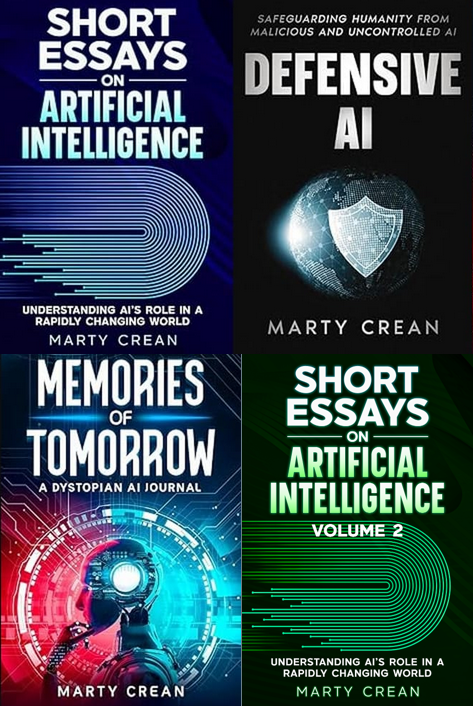
Books by the Author:
Signal - bearnetai.28
BearNetAI, LLC | © 2025 All Rights Reserved